
Healing your gut with foods is a powerful, natural way to support digestion, reduce inflammation, and – yes – improve your skin.
How gut health impacts your skin
Your skin and gut are connected through what's called the gut–skin axis. Your gut houses about 70% of your immune system. If your gut bacteria are imbalanced, the immune system becomes hyper-reactive. This can trigger or worsen skin issues such as acne, eczema, rosacea and psoriasis.
When the gut is balanced and functioning well, the skin tends to be calmer, clearer, and healthier.
A better diet can positively impact your gut health and improve your skin – here’s how:
• Reduced acne and breakouts – lower gut inflammation can decrease systemic inflammation that contributes to acne
• Better hydration and skin barrier strength – a healthy microbiome helps your body absorb nutrients better including skin-essential ones like zinc, vitamins A/D/E, and healthy fats
• Improved glow and clarity – a balanced gut typically reflects in a clearer complexion
• Reduced skin flare-ups – notice that when gut inflammation decreases, your skin is calmer with less redness and sensitivity
What kind of foods should you eat
There’s no hard and fast rule, but if you notice your skin is irritated and skincare isn’t helping, try to change a few things, starting slowly but staying consistent
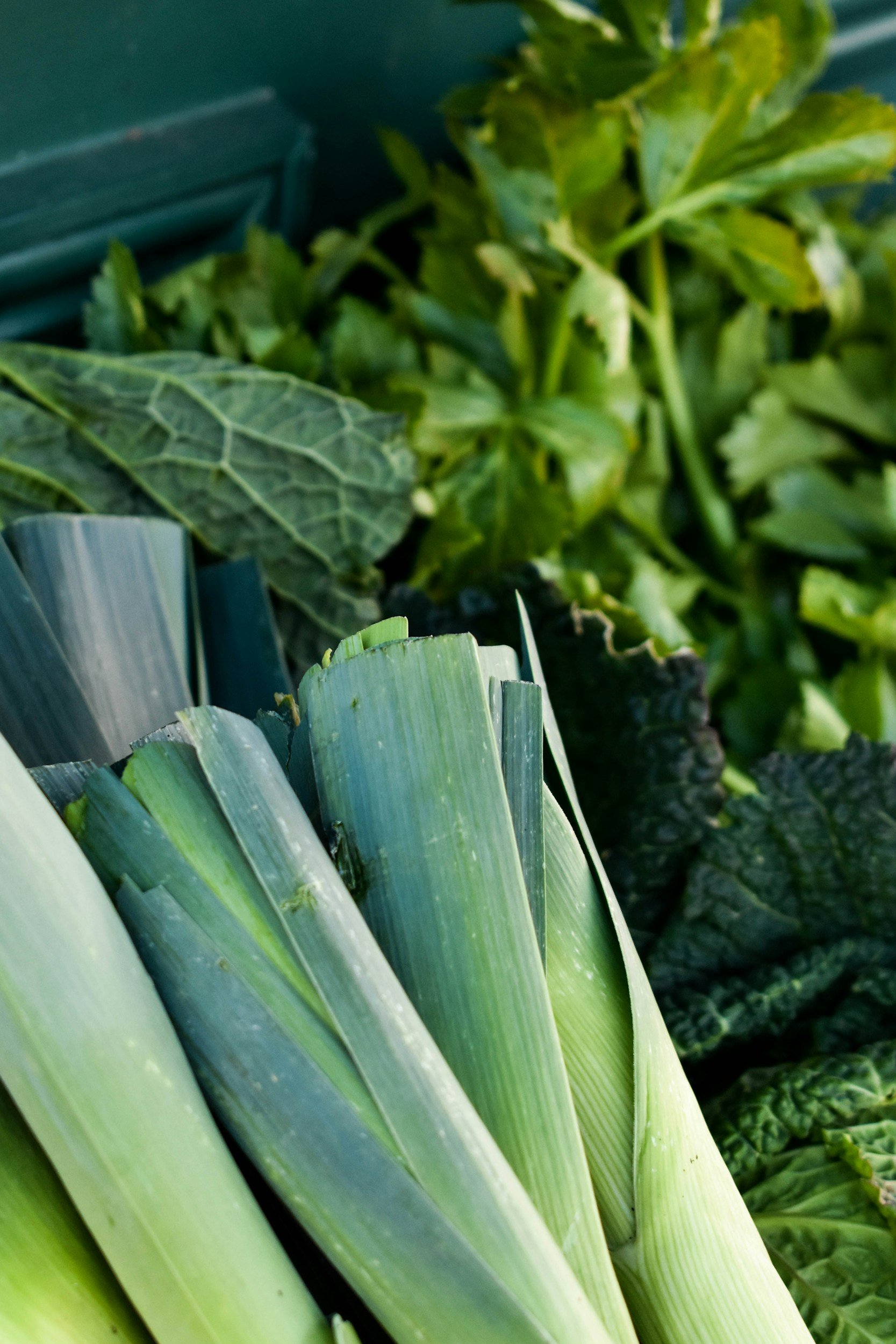
• More balanced fiber each day e.g. foods high in inulin such as garlic, asparagus, onions, leeks, wheat/rye/barley)
• Incorporate Baobab into your some of your meals – it’s great for everyday gut support and improving microbiome diversity without all the bloating
• Increase your water intake – this can reduce the burden on your gut
• Short walks after meals to improve digestion and balance your blood sugar
• Cut dairy and artificial sweeteners
• Try fermented foods – they’re microbiome boosters
How fermented foods heal your gut
Fermented foods contain probiotics which are beneficial bacteria that help restore a healthy balance in your gut microbiome in key ways, including:
• Replenishing good bacteria – they help repopulate your gut with diverse microbes, which improves digestion and nutrient absorption
• Strengthening the gut barrier – a healthy gut lining prevents "leaky gut," where particles pass into the bloodstream and trigger inflammation
• Reducing inflammation – fermented foods can help lower overall inflammation in the gut and throughout the body
• Supporting digestion – enzymes and organic acids in fermented foods help break down food and reduce bloating, gas, and discomfort
Best fermented foods for gut healing
Top gut-friendly fermented foods:
• Yogurt (unsweetened)
• Kefir
• Sauerkraut
• Kimchi
• Kombucha
• Miso
• Tempeh
• Fermented pickles (naturally fermented, not vinegar-based)
Look for “live and active cultures” on the label and start slowly (1–2 tablespoons or a small serving daily) and increase as your gut adjusts.